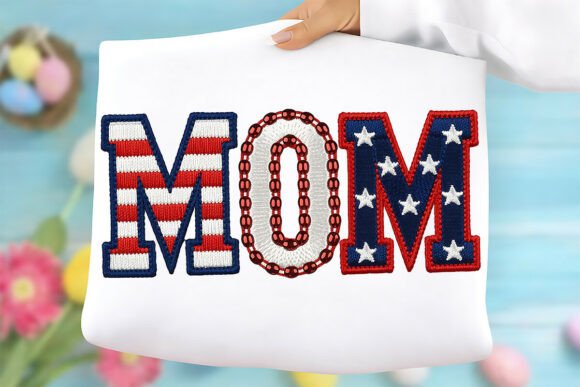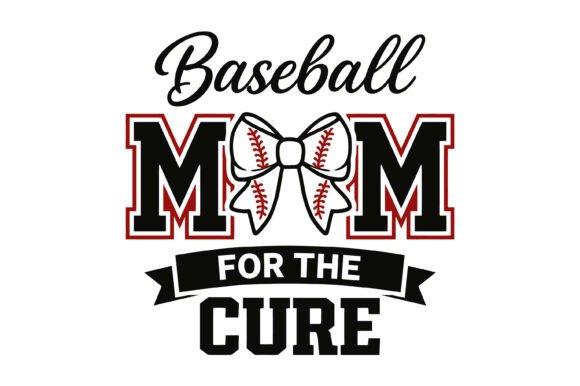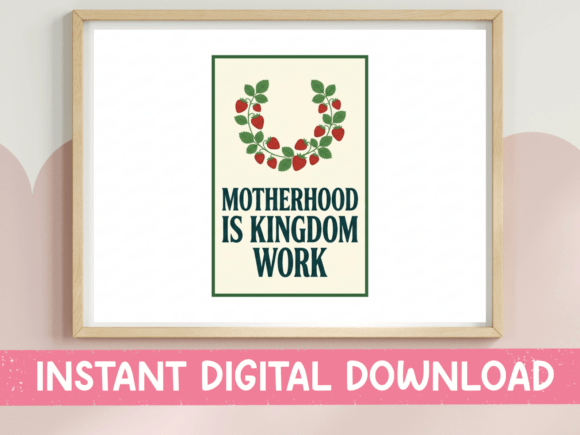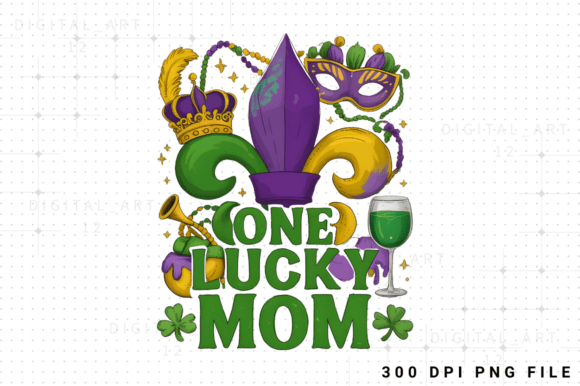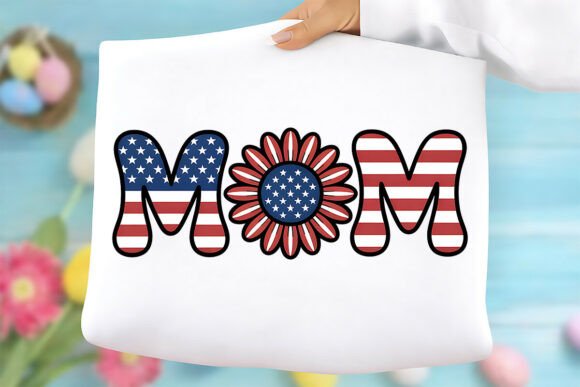
Mom PNG, 4th of July PNG: A Vibrant Graphic for T-Shirt Designs and Seasonal Campaigns
Visual Style and Project Fit
- Print-on-demand product lines
- Etsy shops selling personalized gifts
- Local event promotions around Independence Day
- Handmade business branding efforts
- Boutique product labels and packaging
Performance Across Design Applications
T-Shirt Designs: On mockups, the design stands out beautifully on both light and dark-colored shirts. The high-resolution PNG ensures crisp edges and no pixelation, even at full size. It reads well from a distance, making it suitable for retail environments where visibility matters.
Marketing Visuals: When placed in social media posts or digital ads, it adds a festive tone that resonates with audiences during the 4th of July season. However, it may require some simplification if used alongside dense text or other graphics due to its already busy composition.
Product Mockups: In printables such as stickers, tote bags, and mugs, this PNG maintains clarity and vibrancy. For sublimation design work, it should perform well since the transparency and layered details are preserved in PNG format.
Brand Identity and Packaging: While it could serve as a supporting element in packaging or label design, it’s not recommended as a primary logo. Its illustrative style leans more toward decorative use than foundational branding, which is fine depending on the project’s goals.
Best Use Cases and Limitations
- Small Sizes: The detail-rich nature of the design can become muddy when scaled down for buttons, tags, or micro-illustrations.
- Crowded Layouts: If your design already has multiple elements, this one might overwhelm the visual hierarchy. Use it sparingly in such cases.
- Minimalist Projects: Clients seeking a minimalist aesthetic will likely find this too ornate unless simplified significantly.
Design Notes for Professional Use
- Test in Black and White: While the original design is in color, converting it to grayscale can reveal whether the image still holds meaning and impact without hue.
- Contrast Check: Place the PNG on both light and dark backgrounds to confirm it maintains visibility and clarity. Adjust overlay effects or background layers accordingly.
- Size Variance: Preview the design at different scales—from a thumbnail on a Canva template to a full-size wall art printable. This helps identify any resolution or scaling issues.
- Mockup Integration: Try it on actual product mockups (t-shirts, mugs, etc.) to ensure it looks natural and realistic in context.
- Print Quality: Always test printing samples to verify that the 300 DPI quality translates well to physical products, especially for print-on-demand workflows.
- File Format: Since it’s a PNG file only, keep in mind that editing individual elements won't be possible without vector-based tools. This means SVG edits or layer adjustments aren’t available.
- Commercial Licensing: Confirm the licensing terms before using it in any professional or client-facing work. Many free assets come with restrictions, so a clear commercial license is essential.
- Typeface Pairing: Compare the design with various font styles—serif, sans serif, script, display—to ensure harmony in the final composition. It works particularly well with casual or cursive fonts that match its illustrative tone.