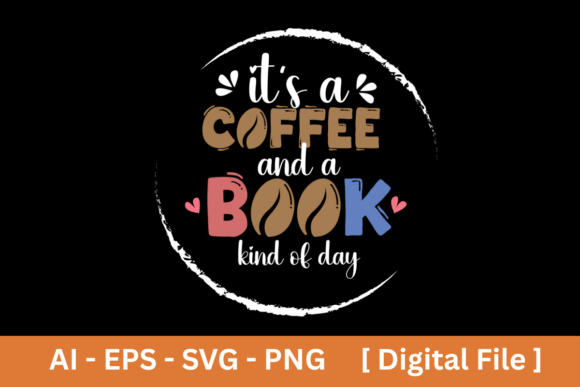
Coffee and Book Lover Embroidery Design for Real Projects
As a designer who regularly evaluates embroidery files for real-world use, I’m always looking for designs that not only look great on screen but also translate well into stitched form. The Coffee and Book Lover PNG EPS SVG caught my eye for its thematic charm and practicality. It’s the kind of design that immediately evokes comfort, creativity, and a cozy lifestyle—perfect for customers who appreciate personalized gifts or small shop products with character.
First Impressions: A Warm, Inviting Theme
The Coffee and Book Lover design features a whimsical layout with a coffee cup nestled beside an open book, often accompanied by soft lines, floral accents, or gentle typography. It feels like the perfect emblem for someone who starts their day with a warm beverage and a good read. The overall vibe is relaxed yet stylish, making it ideal for casual wear and home décor alike.
Visually, the design balances detail without becoming overwhelming. There are enough intricate elements to give it personality, but nothing so complex that it would risk distortion during embroidery. The layout is typically centered, which helps in aligning it properly on most items, especially tote bags or sweatshirts where symmetry matters.
Who Is This Design For?
This file fits best into projects targeting creative types, bibliophiles, and people who love café culture. Think about custom apparel for boutique owners, handmade products for Etsy sellers, or even holiday gifts for friends and family. Its visual personality works particularly well for women's fashion, nursery decor, and gift-based craft business ventures.
Real-World Performance in Embroidery Projects
I recently tested this design on a few common embroidery projects to see how it performs. Here’s what I found:
- Tote Bags: The design looked fantastic on a cotton-linen blend tote. The coffee cup sat nicely near the top corner, while the book added a balanced feel. Stitch density was moderate, which is good for fabric that breathes without puckering too much.
- Sweatshirts: On a heavy fleece material, the design maintained clarity when using satin stitch around the main elements. The fill stitches inside the book didn’t compress badly, and the running stitch outlines gave it a clean finish.
- Baby Clothes: While the design is cute, I’d be cautious using it on baby garments unless the details are simplified. Tiny lettering or delicate floral patterns might lose definition after repeated washing or on stretchy knits.
- Pillow Covers & Tea Towels: These were some of the best applications. The design scaled well at medium sizes and felt right at home on textured linen or cotton blends. The contrast between thread colors stood out against lighter backgrounds, giving the finished product a polished look.
- Holiday Gifts: As a holiday embroidery project, it worked well on mugs and aprons. The sublimation-ready format means you can apply it digitally or as a heat transfer, depending on your equipment. Either way, it retains a high level of detail and color accuracy.
What Works Well
One of the strengths of this design is its versatility across formats. With AI, EPS, SVG, and PNG included, you can easily adapt it for different machines or preview it on various surfaces. The vector nature of the files ensures crisp edges, which is essential for commercial embroidery or digital embroidery file creation.
When used on light-colored fabrics, the design really shines. The combination of thread colors creates depth and dimension, making it stand out as a professional-looking handmade product. The balance of negative space and filled areas allows for easy editing if you need to reduce the size or adjust for specific materials.
Where to Use Carefully
While the Coffee and Book Lover PNG EPS SVG is a solid choice for many projects, there are some limitations to keep in mind:
- Small Hoop Sizes: If you're working with limited space, consider resizing the design carefully. Too much compression can cause tiny details to become indistinct or even disappear entirely.
- Textured or Stretchy Fabrics: Dense stitch areas may pull or pucker on materials like denim, stretchy knits, or canvas. A good stabilizer and possibly reducing stitch density will help maintain quality.
- Dark Backgrounds: Thread color contrast becomes less effective on darker fabrics. You’ll want to test it with black or navy bases first to ensure the design remains visible and appealing.
- Curved Surfaces: When applying this design to caps or curved patches, make sure to account for fabric tension and curvature. Some parts of the design may distort slightly unless adjusted manually.
- Frequent Washing: Items like tea towels or pillow covers get washed often. The design holds up reasonably well, but I recommend using all-purpose polyester threads for durability and fade resistance.
Design Impact on Product Value and Customer Appeal
In terms of visual appeal, the Coffee and Book Lover design adds a touch of elegance and familiarity. Customers instantly recognize the theme and often relate to it personally, which increases buyer engagement. It’s not just a decorative element—it tells a story, making it more than just a graphics file; it becomes part of the brand identity for a craft business or personal project.
Using this design on a custom sweatshirt or tote bag can elevate the product value significantly. It gives the impression of a thoughtful, curated item rather than a generic print. For Etsy sellers, this can mean better customer trust and repeat orders, especially if they pair it with other similar design assets in a cohesive collection.
From a branding perspective, the design supports consistency across multiple product types. Whether you’re selling sweatshirt embroidery, aprons, or nursery decor, having a unified visual language strengthens recognition and professionalism. And since it’s available as a freebie in several formats, it can serve as a valuable entry point into building a signature style for your small shop product line.
Designer Tips for Using Coffee and Book Lover PNG EPS SVG
Before committing to a full production run or stitching on a client’s garment, here are a few practical steps to take:
- Test on Scrap Fabric: Always do a trial stitch on a piece of the same fabric you plan to use. This will reveal any potential issues with stitch density or fabric behavior.
- Check Thread Color Contrast: If the design includes subtle gradients or shading, confirm that the thread colors you choose provide enough visibility against your base fabric.
- Review Stitch Density: Especially in the book or coffee cup areas, adjust fill stitches if needed to prevent overstuffing or puckering.
- Confirm Hoop Size: Even though the design is scalable, check whether your hoop can accommodate the entire pattern without forcing it into an unnatural shape.
- Inspect Small Details: Look closely at corners, lettering, and linework. If these are too fine for your machine or fabric, simplify them before finalizing the project.
- Use Black and White Mockups: Sometimes colors don’t tell the whole story. Seeing the design in grayscale can help you understand how it will appear in monochrome thread sets or on dark bases.
- Compare Light and Dark Backgrounds: Try stitching the design on both white and navy fabric to see how it adapts. This can guide your recommendations to customers or inform your own inventory choices.
- Choose the Right Stabilizer: Depending on the fabric type, opt for tear-away, cut-away, or wash-away stabilizers to support the design and prevent shifting.
- Verify Commercial Use Permissions: Since this is listed under Freebies, always double-check the licensing information before using it in any commercial project or selling digital embroidery files.
Final Thoughts for Crafters and Designers
The Coffee and Book Lover PNG EPS SVG isn't just another pretty graphic. It’s a well-balanced machine embroidery design that has the potential to enhance your handmade product offerings. Whether you're creating personalized gifts, launching a new line of custom apparel, or designing digital product previews, this design brings a sense of warmth and relatability that resonates with buyers.
Its structure makes it suitable for both beginners and seasoned embroiderers, provided you follow the basic principles of testing, adjusting, and adapting. As an embroidery project asset, it contributes to a professional presentation and can boost the perceived value of your work. Just remember to tailor it to your materials and audience, and you'll find it's a versatile addition to your design library.